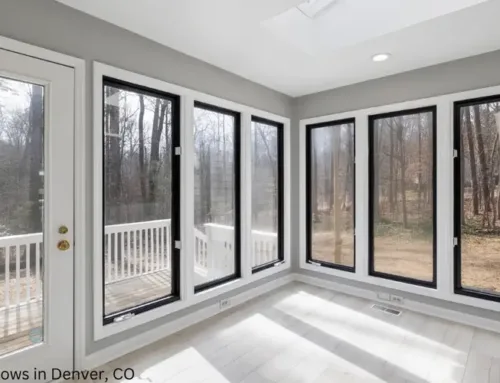


Are you looking for window replacement services in Denver, CO, to enhance the sound protection of your home or office? Say goodbye to excessive external noise without spending a fortune on wall insulation. Dissimilar glass window installation is a top-notch soundproofing solution that not everyone is aware of. This innovative system offers exceptional features that maximize sound absorption and reflection, ensuring your property is a safe and sound investment.
The Benefits of Dissimilar Glass Windows for Soundproofing
Soundproofing is key to ensuring both comfort and privacy for businesses or homes. As such, using dissimilar glass windows can be beneficial when managing unwanted noise from the outside. Dissimilar glass windows use a combination of different levels of soundproofing to block out disruptive sound from the exterior. Depending on your environment, this may include high traffic levels, machinery, or other urban sounds.
Using dissimilar glass windows has economic and environmental benefits compared to traditional soundproofing methods. For example, double-glazed windows can reduce energy costs as they provide better insulation than single-paned glasses. Additionally, due to their layered composition, dissimilar glass windows will require far less soundproof material than traditional ones. This will result in lower costs in terms of materials and labor needed for installation or refurbishment.
Some may feel that introducing dissimilar glass windows costs too much money and is an unfair investment for homes or businesses in low-noise areas. While this might be true in some cases, the reality is that most modern urban environments are constantly disrupted by increasing levels of external noise, thus requiring more efficient sound protection strategies than used in the past. Studies show that installing dissimilar glass windows provides better sound attenuation than traditional single-layer glazing (21 dB), even at low frequencies (125 Hz).
Overall, the benefits of installing dissimilar glass windows far outweigh any potential doubts regarding cost and effectiveness. With reduced financial expenditures on materials and labor needed during installation and improved sound protection – individuals looking to bolster their soundproofing capabilities should seriously consider utilizing dissimilar glass windows to ensure adequate sound protection from external disturbances. Taking all these considerations into account transitions us conveniently into further exploring how we can reduce noise levels on the interior side of our window systems.

Reducing Noise on the Interior
The interior of a building is more than just an empty room. It serves as an environment for us to relax and work, and reducing noise in the interior should be a top priority. Soundproof windows are one of the best ways to reduce noise pollution inside a building, and investing in dissimilar glass windows can make all the difference. They provide superior sound protection compared to single-pane windows thanks to their multiple layers of glass. Plus, when they’re expertly installed, they can also offer noticeable energy savings due to their better insulation capabilities.
Of course, buying new windows is no small investment, and it could cost anywhere from hundreds of dollars to thousands depending on the window size and what kind of mechanical frame you decide to go with. But at the end of the day, you’re sure to appreciate not having to suffer through loud noises coming from outside or interference from inside your house due to poor sound insulation.
It’s important to note that dissimilar glass windows are not a silver bullet solution for all sound issues. While it’s true that windows play a significant role in reducing external noises, having proper insulation on floors and walls has just as big an impact on noise levels in an indoor space. Taking both aspects into account will ensure that you’ll be able to enjoy the peacefulness of your home that much more.
While the benefits of having sound protection are undeniable, there are additional measures we can take beyond choosing quality windows. Reducing noise on the exterior can also go a long way toward silencing our homes and businesses.
Reducing Noise on the Exterior
Reducing noise on the exterior is just as important as it is on the interior for improved mental health and overall well-being. High outdoor decibel levels can be equally disruptive to one’s daily life, from construction projects to outdoor speakers. Dissimilar glass windows are often used as an effective sound barrier to decrease these levels while protecting the external view of a building.
Advocates for this technology argue that it will not only muffle noise levels outside but also improve the physical appeal of a building due to its modernized style. Not only can it block ambient sounds, but studies have proven that they can reduce particular noises outside (such as sounds from a highway or train tracks) by up to 20 decibels more than single-pane windows alone. This degree of sound dampening far surpasses many soundproofing materials currently marketed, ultimately providing better peace for those living in nearby buildings or neighborhoods.
On the other hand, some disagree with this idea claiming that an outside noise blocker isn’t necessary when current single-pane windows already provide a significant amount of soundproofing from exterior noises. However, research indicates that double-glazing (or dissimilar glass windows) still provides significantly more acoustic insulation than standard single-glazed window panes, regardless of adjacent noise. This makes them a cost-effective investment for homeowners who want reduced noise pollution for their home exterior environments.
Ultimately, no matter what stance one takes on using dissimilar glass windows to reduce outdoor noise pollution, it’s clear that they are growing in popularity within the residential and commercial sectors due to their light-blocking properties and discreet design choices. For those looking to achieve this effect now, this overview has hopefully given them some insight into what makes these multi-glass installations so effective in dampening high-decibel sounds from the outdoors.
Enhance Curb Appeal
Aesthetically speaking, dissimilar glass windows are more pleasing than other acoustic insulation materials like heavy curtains and thick blinds that can often feel “heavy” and oppressive in specific spaces. With this in mind, one can see why many prefer this technology over any other exterior window treatments available today. A window replacement always improves the appearance of a home. A window replacement can give your home an instant facelift by replacing your old worn-out windows. Colorado Window Source provides window replacement options in Denver, CO, from Anlin Windows that offer sound protection and in different frames and colors that can enhance the look of any home.
Increase Energy Efficiency
Windows can be a significant source of heat loss or gain in a home. Present-day windows are much more energy efficient than the old and single-pane windows of the past. They provide better insulation and reduce energy bills by retaining warm air in winter and cool air in summer indoors. Sound protection windows from Anlin have two panes of glass and are energy efficient. Colorado Window Source also uses exclusive fitting and installation methods that ensure the windows offer better energy savings.
Boost the Value of Your Home
Many wonder if a window replacement is with the investment. However, considering a window replacement’s benefits, the cost is worth it. If you want to sell your home, the sound protection and energy efficiency that come with replacement windows of dissimilar glass from Anlin Windows will add to the value of your home. Average vinyl window replacements can provide a 68.5% return, according to the 2023 Cost vs. Value Report.
Better Comfort and Safety
Energy-efficient window replacements make your home more comfortable by keeping the indoor temperature constant and preventing drafts. Sound protection dissimilar glass windows from Anlin Windows also make homes more relaxing and shielded from external noises that distract you from work or disturb the tranquility you want. Anlin Windows with laminated security glass offers protection against break-ins. They also have tempered glass that reduces the possibility of injuries if it breaks accidentally.
What Makes Dissimilar Glass Windows an Effective Noise Blocker?
When it comes to reducing exterior noise, dissimilar glass windows are a viable and effective solution. Unlike single-glazed windows that only block a fraction of the noise, dissimilar glass provides a more substantial barrier. It is well equipped to absorb sound waves by adding an extra pane between the thick panes of varied thickness. This design offers maximum sound absorption because it ensures no two surfaces are alike, which helps stop waves from bouncing back after hitting a window or door.
Studies have proven how helpful this technology can be in certain circumstances. In one case study, dissimilar windows’ effectiveness was tested in reducing excessive airliners noise pollution at night. The results from this test positively concluded that these windows decreased the sound volume by up to 40%. This suggests that these unique windows can help provide insulation for both residential and commercial buildings looking to prevent noise from entering their establishment.
How Dissimilar Glass Windows Help in Sound Protection
Ordinary double-pane glass windows have two panes of glass of the same thickness. They allow a “harmonic” or “sympathetic” sound transmission through the glass assembly, which is referred to as a “glass pack.” Both the glass panes vibrate at the same rate when sound hits them, as they are of the same thickness. This allows sound to “pass through” the glass.
Windows with dissimilar glass have two panes of glass of different thicknesses. If one pane of glass is ⅛ inch thick, the other may be ¼ inch thick. As they are of different thicknesses, each glass pane blocks the sound of different frequencies. When the exterior glass is thicker than the interior glass pane, the glass panes do not vibrate at the same rate. Because the sympathetic vibration cycle is interrupted, it prevents sound from being transmitted easily through the “glass pack.” This helps the window to reduce sound transmission of a wider range of frequencies than a standard double pane window. The Sound Transmission Class (STC) rating of dissimilar glass is 30 to 34 at least. STC is a scale that rates the sound-suppressing quality of a window. The more sound a window can reduce, the higher its STC.
Those who have invested in dissimilar glass windows are impressed by their ability to block off unwanted noise without negatively impacting normal conversations indoors. Dissimilar glass windows are incredibly useful for creating an enclosure that can resist a wide range of background noise and provide quiet inside one’s building. However, we still have plenty to learn about opaque windows and door technologies that can contribute to better reducing outside sound disturbances.
Opaque Windows & Doors Technology
Opaque windows and doors produce a powerful block to sound. However, like with any soundproofing material or construction process, there is debate about the effectiveness of such technology. Generally, it depends on the type of window or door, where the installation is placed, and what kind of noise protection is required.
Some argue that opaque windows are a bit ineffective at noise reduction because acoustic waves can pass through glass. The seals and gaskets used with opaque windows may also be insufficient to block sound. Another argument is that single-pane or even double-pane windows do not offer sufficient insulation against heavy external noise like traffic.
Experiments have shown that high-quality opaque window systems provide a satisfactory level of noise control — especially when they are combined with other specifications such as a noise source reduction or appropriate insulation. Good quality opaque windows or doors can decrease airborne and impact sounds by up to 50 percent if installed correctly. Furthermore, it has been shown that their effects can last years if properly maintained.
Sound protection technology has improved vastly over the years, making highly sound-resistant structures possible for commercial spaces. Thus, opaque windows and doors can be a powerful solution for applications where noise levels must be managed precisely.
Acoustic Barriers & Sealants
Architects and designers often opt for additional acoustic barriers and sealants to further enhance soundproofing. Acoustic barriers are physical barriers that prevent sound waves from traveling through the air. An example of an effective acoustic barrier is an absorbent material like a fiberglass board applied to the walls of a room. In addition, joints and gaps around windows can also be sealed with a specialized acoustic sealant to reduce airborne noise leakage. This sealant can be applied on both sides of the material surrounding the window frame to form an impenetrable barrier that keeps out excess noise and dust.
Although acoustic barriers and sealants are usually effective in their intended purpose, they have some drawbacks. For example, not all products work as advertised or provide complete protection or insulation depending on your needs, so it is important to research online reviews or consult with an expert in this field before purchasing. Additionally, these products can become quite expensive when applied to a large area and may require professional installation or supervision, adding to the overhead.
However, implementing these additional measures can significantly reduce ambient noise in any room, making it easier for occupants to concentrate. With careful consideration given to the type of product used, acoustic barriers and sealants can help maximize the benefits of sound protection from dissimilar glass windows.
Increased Insulation Through the Use of Dissimilar Glass
Dissimilar glass windows may be employed to unlock the benefits of sound protection fully. This type of window consists of two separate panes of glass, often varying in size, with a space between them that is filled with an insulating gas. With thicker panes and rock-wool insulation between the two layers, this type of window has become increasingly popular in modern construction as they are more effective than conventional single-glass windows at providing long-term insulation and thermal comfort.
The increased insulation afforded by dissimilar glass windows is beneficial for reducing noise pollution and regulating temperatures. By optimizing air pockets between the double-paned layers and introducing an inert gas like argon or krypton, these windows can reduce the transfer of hot or cold air from outside to inside climates significantly. Through their increased insulation capability, dissimilar glass windows provide a clear advantage over single-glazing for decreasing air flow-related thermal energy loss along with low-frequency airborne noise transmission.
Not all experts agree that double glazing with additional soundproofing would be even more beneficial than double glazing alone. While other measures, such as airtight seals and additional solid barriers within the cavity between panes, provide some sound absorption, certain studies have suggested that doubling up on thin single-pane windows affords similar results. But it should also be noted that the trend towards higher performance standards in building regulations will likely mean double-glazed windows will soon become standard practice – if only to comply with legal frameworks – regardless of their contribution to noise pollution reduction.
Sound Reduction Windows from Colorado Window Source
With more people working from home and spending time at home, the need for sound-reduction windows is also rising. Whether to work in a distraction-free environment or have a more relaxing home, you can choose sound-reduction windows when planning a window replacement. Homeowners in Denver, CO, considering a window replacement can contact Colorado Window Source at (720) 727-6031.
You can learn more about sound reduction windows from Anlin Windows. Anlin Windows are energy efficient, aesthetically pleasing, functional, and durable. These premium windows are built to last. Colorado Window Source is a reliable window replacement company that can be counted on for premium window installation and quality in Denver, CO.
Common Questions
What types of dissimilar glass are best for sound protection?
When it comes to sound protection, laminated glass is the gold standard. Laminated glass consists of two layers of glass with a plastic or resin layer between them. This provides the most effective sound insulation, blocking mid and high frequencies, as well as reducing reverberations that can interfere with the efficient acoustic design. Other types of dissimilar glass, such as double-glazed windows and acoustic spacers, are also effective at reducing sound. However, they may not be as efficient as laminated glass in providing total sound insulation.
What benefits do dissimilar glass windows provide other than soundproofing?
First, due to their unique construction, dissimilar glass windows have higher insulation levels than conventional versions, so they can help save money on energy bills. Secondly, the multi-layered nature of these windows provides additional security from forced entry or tampering. Thirdly, dissimilar glass windows can enhance the look and feel of a building because they are available in various shades and thicknesses that would be difficult to achieve with other materials. Finally, by using different types of glass, it’s possible to control the rate at which heat passes through the window to maintain more comfortable interior temperatures throughout the year.
How does dissimilar glass reduce sound transmission?
Dissimilar glass reduces sound transmission by replacing typical single-pane windows with windows containing two or more panes of glass of different thicknesses. This creates a barrier that prevents sound vibrations from passing through the window and allows light to penetrate. Including air spaces between the panes and even inserting acoustic absorbers into those spaces helps absorb any sound waves that make it through the glass barrier. As a result, occupants in buildings with these windows experience less external noise and higher levels of acoustic comfort.